Since the Alpha season, our studio has been continuously farming @nadoHQ points. After moving to Changsha, this became one of the few main businesses we have in the crypto space.
Although this round's market enthusiasm for Perp DEX is far less than last year, Nado still remains the project we invest the most capital and effort into.
For the past few months I have been pondering a question: why are more and more people stopping farming Perp DEX?
Poor market conditions, unprofitable airdrops, and high project valuations are all reasons. But I think there is a more realistic answer:
Many people leave Perp DEX not because they don’t want to farm anymore, but because they have found more attractive assets.
To be honest, we keep farming because the whole model has become relatively mature; first, we control our point-costs very well. We know where the profit points are and where the risk points are.
Even so, the opportunity cost brings genuine anxiety and doubt.
When I have seen SPY hit new highs over the past months, watched QQQ climb steadily, and seen people around me simply hold the index and earn returns more easily than painstakingly farming points, I can’t help but wonder:
Every dollar put into Perp DEX means one fewer dollar spent buying US stocks.
I think those still farming Perp DEX share, to some extent, the same anxiety I feel. Fortunately, Nado has always been good at addressing such real needs, which is one reason we continue to choose this project. The launch of SPYx and QQQx is, in a sense, a direct response to this issue—there doesn’t have to be a binary choice between margin and US-stock exposure.
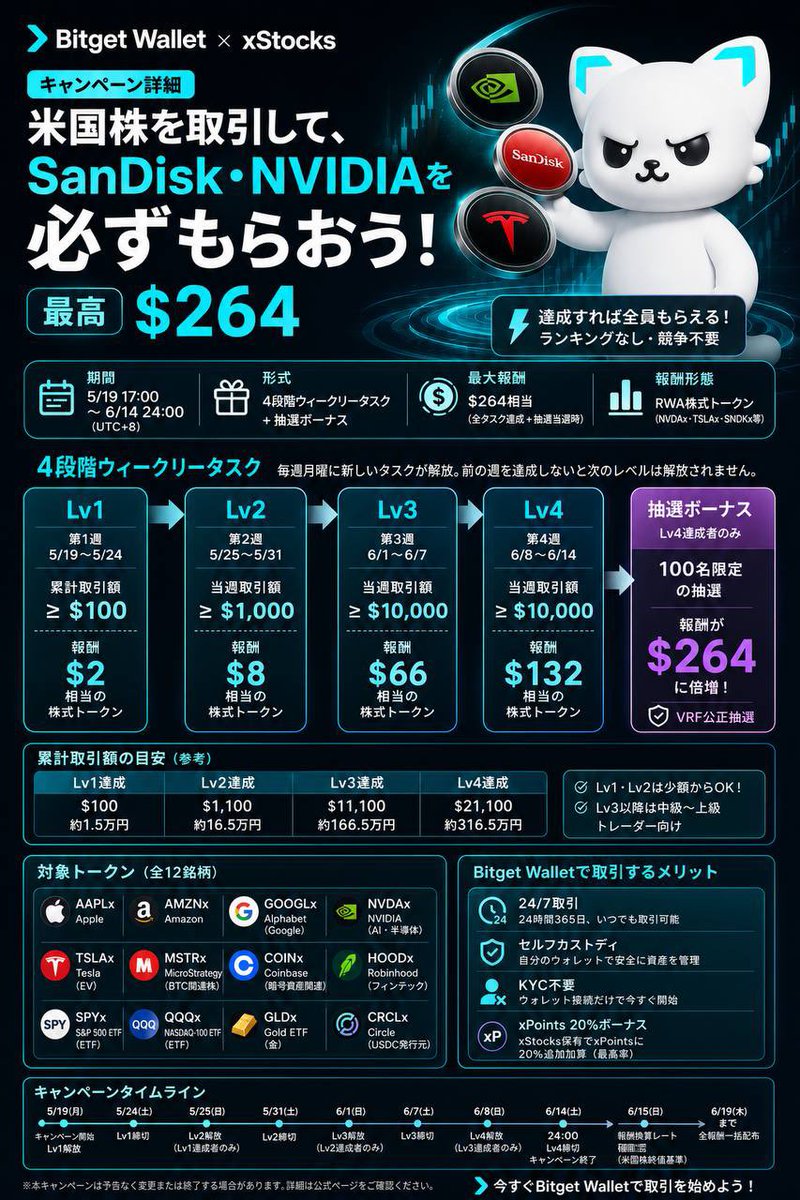
SPYx tracks the S&P 500, and QQQx tracks the Nasdaq-100. The former is a weighted basket of the 500 largest US listed companies; the latter focuses on technology and growth stocks, with Nvidia, Apple, Microsoft, Google all inside. These two indices have been the default choices for institutional US-stock allocation for decades.
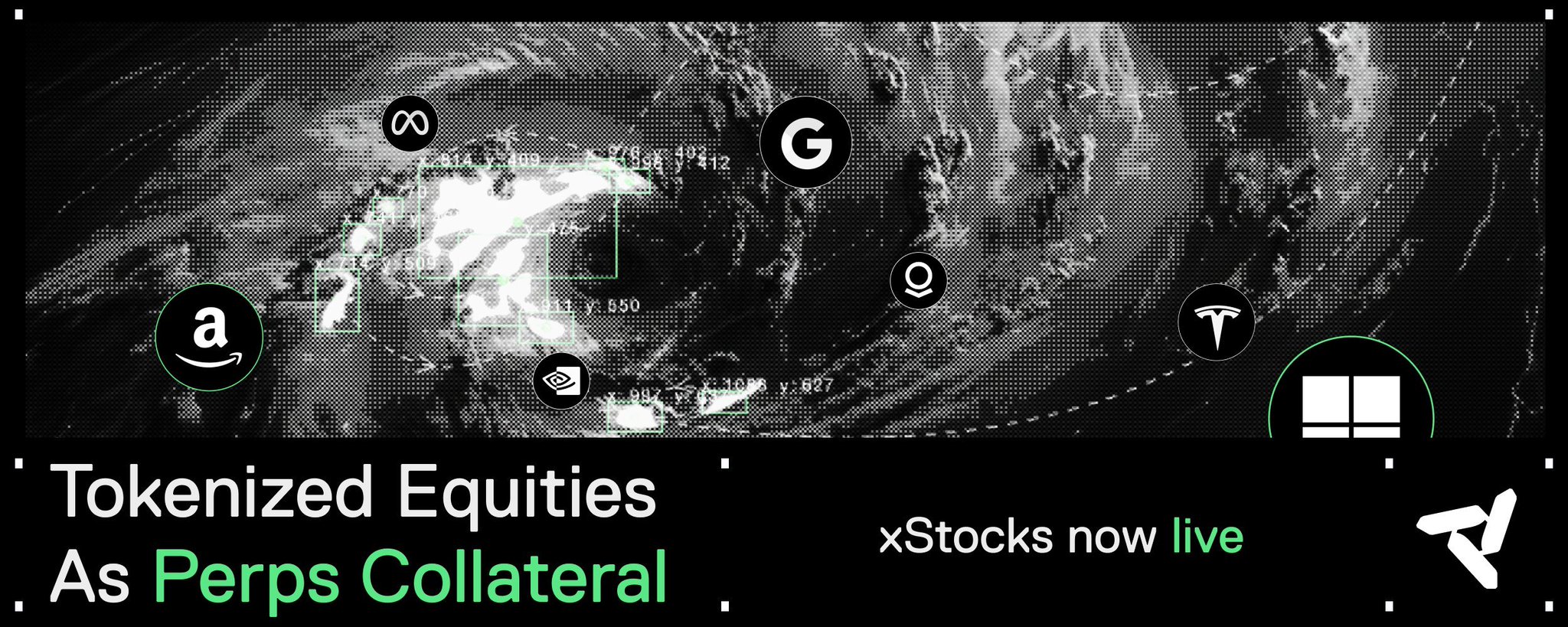
Nado’s underlying logic is to bring traditional stock price exposure onto the chain, without needing a brokerage account or withdrawing funds, simply holding the corresponding price exposure in your wallet. SPYx and QQQx are among the first to launch, with Nvidia, Tesla, Meta and other Mag-7 stocks to follow.
The interesting part after buying is that the money no longer just “sits there” as before. It is simultaneously margin and a US-stock position. Previously these two had to be split across different accounts and platforms, with a lot of friction. Funds moving back and forth, when a margin call is needed you have to first close positions, wait for settlement, then act—opportunity windows often disappear that way.
A more advanced play is to short the corresponding perpetual stock, hedging directional risk and only capturing the spread between spot and futures. The logic itself isn’t complex; the complexity was that retail investors previously had no tools to enter. The tool-level barrier is indeed much lower now, but funding rates still fluctuate, so the return isn’t locked and must be judged individually.
I may not take a heavy US-stock position, but I don’t want to give up this option while squeezing margin. Nado at least leaves this option open.